How do you pump paint?

What is paint and how do you pump it? Paints are shear sensitive liquids that can have a variety of solvents and pigment load concentrations, bringing with them abrasive wear and chemical compatibility concerns. So, what's required to pump paint? Internal gear pumps offer consistent, non-pulsating flow. Low shear pump designs protect shear sensitive paints. Cast iron pumps are available and stainless steel construction handles chemical compatibility concerns. Hardened iron bushings and hardened steel shafts extend pump life.
Black Liquor Soap: How is it pumped?

What is black liquor soap and how do you pump it? Black liquor soap is a natural byproduct that separates from black liquor during the kraft wood pulping process used to make paper products. The soap is skimmed off and used to make tall oil. So what's required to pump black liquor soap? Black liquor soap can be abrasive and have varying viscosities making it a challenge to pump and seal. Pumps constructed with hardened materials help withstand the abrasive nature of black liquor soap.

How to pump PVAc (Polyvinyl Acetate)

What is polyvinyl acetate? And how do you pump it? Polyvinyl acetate, or PVAc, is a colorless, odorless, non-toxic thermoplastic solid. It is insoluble in water, oils, and fats, but soluble in alcohols, esters, benzene, and ketones. PVAc is shear-sensitive and can set up when not moving in the process. PVAc can be used in many different ways—latex paints, adhesives, inks, and even chewing gum. So what's required to pump PVAc? Internal gear pumps have low shear capabilities and preserve product consistency. Cast iron or stainless steel construction handles chemical compatibility needs.

Chocolate - How is it Pumped?

So we all know what chocolate is...but how do you pump it? The chocolate production process can be simply described with these steps: cacao beans are roasted and ground, then mixed with oils into a semi-liquid. This early stage is known as "bitter" chocolate. From here, sugar can be added to make "sweet" chocolate—milk can be added for "milk" chocolate—and if the chocolate has been thinned down it's called chocolate liquor. There are a few different types of chocolate facilities. Some are bean to bulk, where chocolate is processed. Others are bulk to bar, where confections are made.

How to pump industrial adhesives

What exactly are adhesives? And how do you pump them? Adhesives are substances, like cement or glue, that hold materials together by surface attachment. They are made from materials such as latex, silicones, and starch. Their viscosities range from water thin to extremely viscous. And some are shear sensitive. Adhesives are used in a number of different applications including: cardboard box manufacturing, plywood, paper bags, and industries like automotive and printing. So what's required to pump the various types of adhesives?

What pumps to use for Asphalt Emulsions

What are asphalt emulsions? And how do you pump them?
An asphalt emulsion is asphalt suspended in a mixture of water or other liquids. This makes applying the asphalt easier. Emulsions can be shear-sensitive and must be handled with care.
Asphalt emulsions are typically used in crack filling, coating roadways, or as a waterproofing substance.
So what's required to pump asphalt emulsions?
Shear sensitivity makes internal gear pumps ideal—their smooth, non-pulsating flow maintains the emulsion.

How do you pump asphalt cement?

What is asphalt cement? And how do you pump it? Asphalt cement, or clean asphalt, contains no fillers and is an oil-based liquid. It is typically handled at higher temperatures to reduce viscosity. Asphalt cement is used in a number of applications, but the most common include paving roads and providing waterproofing for building materials. So what's required to pump asphalt cement? Asphalt cement can solidify if it cools. Jacketed pumps allow the pump to be heated with hot oil or steam prior to startup, preventing product from solidifying inside the pump.

Stop Throwing Away Pumps — Discover the Rebuildable RTPg Series™

Are you tired of throwing away pumps on your tank truck? This is the RTPg Series™ from Viking Pump — the pump built to keep your tanker truck moving and your bottom line protected. Designed specifically for tanker trucks, the RTPg Series™ is a cost-effective cast iron alternative when stainless steel isn’t required — but performance still is. With Viking Pump's internal gear design, these pumps deliver quiet, smooth operation and bidirectional flow. Unlike throwaway pumps, the RTPg Series™ is fully rebuildable - requiring no special tools.

Data Centers and Fuel Requirements - Where Pumps Play a Role

Hello, I'm Kyle Benning, OEM sales manager at Viking Pump. Data centers across the globe rely on fuel transfer pumps to maintain operation. I want to highlight some of our pump technologies that are ideal for this critical process. Data centers are essential for storing and processing information in our rapidly growing technological world. Small data centers may consume 10 to 50kW of power, while larger facilities can exceed 100MW. In the U.S. alone, roughly 3% of our power consumption goes to powering these facilities.

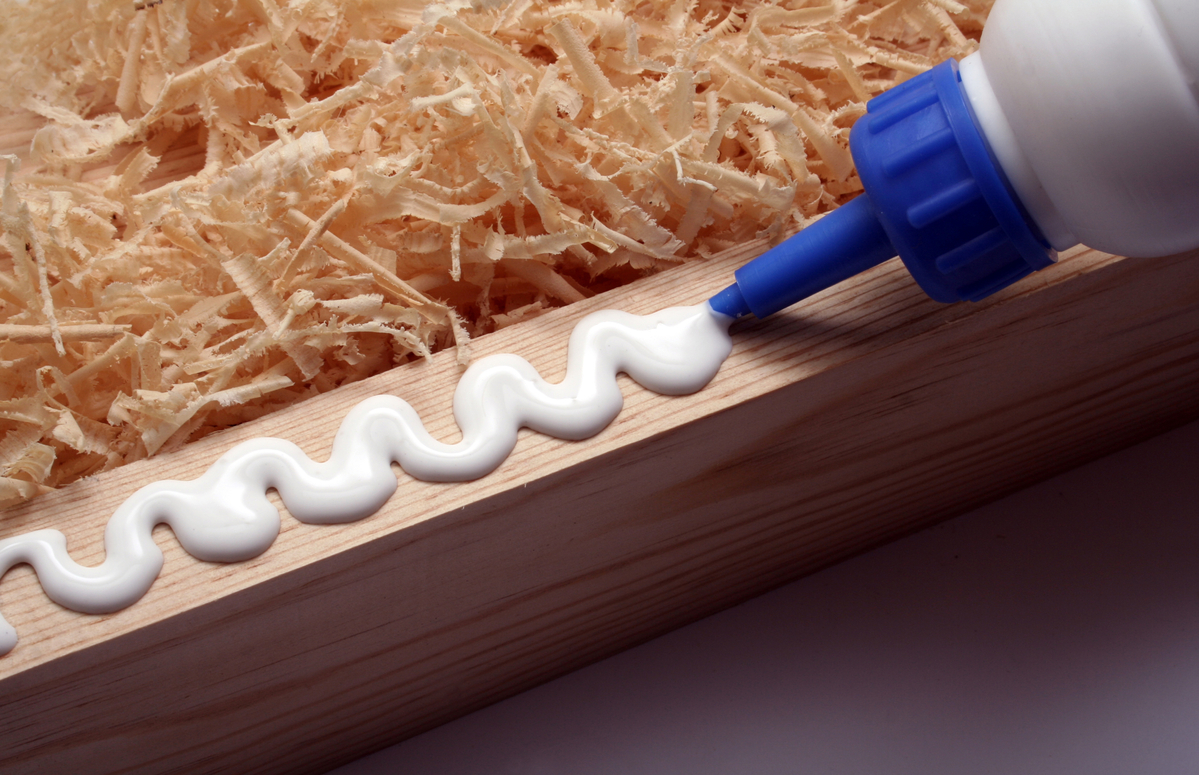
image of bottle of wood glue being squeezed onto the edge of a piece of wood

How AxFlow and Viking Pump Helped an Adhesives Manufacturer Stick to Success

Search Description

Discover how AxFlow and Viking Pump partnered to solve a high-viscosity adhesive pumping challenge with innovative solutions like the QS1127A pump and O-Pro® Cartridge Seal—boosting performance, reliability, and customer satisfaction.

When it comes to manufacturing adhesives like PVA wood glue, precision and reliability in pumping systems are essential. One adhesives manufacturer recently faced a challenge with their existing pump setup and turned to AxFlow, a trusted Viking Pump distributor, for a solution. What followed was a story of collaboration, technical innovation, and superior customer service.

Â